Anna Schmidt · 7 November 2026
Wellness Hubs Across Northern Italy Blend Calora Protocols with Sleep Tracking Tools for Shift Professionals
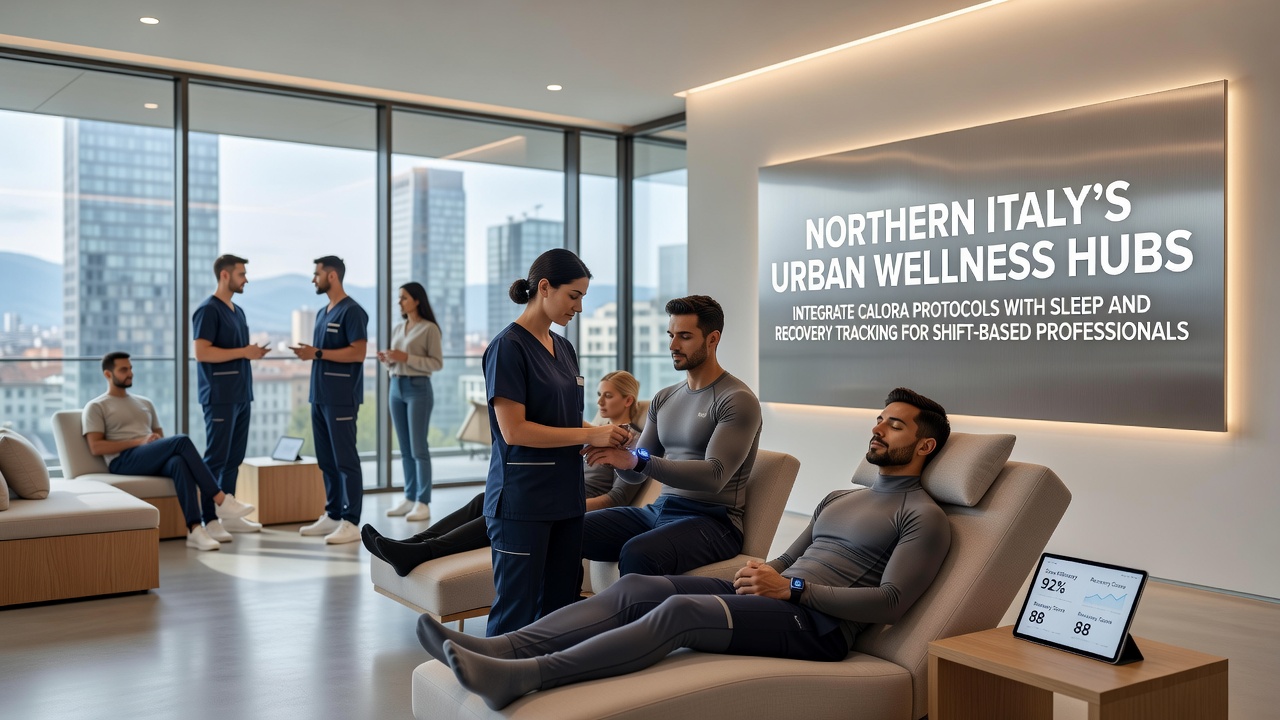
Urban centers in northern Italy have rolled out wellness hubs that pair Calora protocols with continuous sleep and recovery tracking systems designed specifically for shift-based professionals, and these facilities now operate in Milan, Turin, and Genoa as of November 2026. The approach combines thermal wellness methods with wearable data collection to address irregular rest patterns common among healthcare workers, factory staff, and transportation employees who follow nonstandard schedules.
Core Components of the Integrated System
Calora protocols rely on controlled thermal applications that target muscle recovery and circulation, while the added tracking layers use sensors to monitor heart rate variability, sleep stages, and metabolic indicators throughout the day. Research indicates that shift workers experience disrupted circadian rhythms at higher rates than day-shift counterparts, and the hubs compile this information into personalized recovery plans that adjust thermal sessions based on individual sleep data. Observers note that facilities collect readings via wrist-worn devices synced to central platforms, allowing staff to refine treatment timing and intensity without relying on self-reported feedback alone.
Implementation began with pilot programs in 2024, and current operations draw from aggregated datasets that show measurable changes in recovery markers after repeated sessions. Data from participating sites reveal that participants logging at least four monitored sessions per month demonstrate steadier sleep efficiency scores compared with baseline measurements taken before enrollment. The system incorporates feedback loops where nightly sleep summaries directly influence the next day's thermal protocol adjustments, creating a closed-loop process that adapts to fluctuating work rotations.
Operational Details in Major Cities
In Milan facilities handle hundreds of shift professionals weekly, with dedicated stations that combine thermal chambers and adjacent monitoring suites where technicians review overnight readings before each appointment. Turin locations emphasize group orientation sessions that explain how recovery metrics translate into daily recommendations, while Genoa sites focus on maritime and logistics workers whose irregular hours create unique metabolic rebound patterns. Each hub maintains standardized calibration routines for sensors to ensure consistent readings across locations, and technicians follow protocols established through field evaluations conducted earlier in the decade.
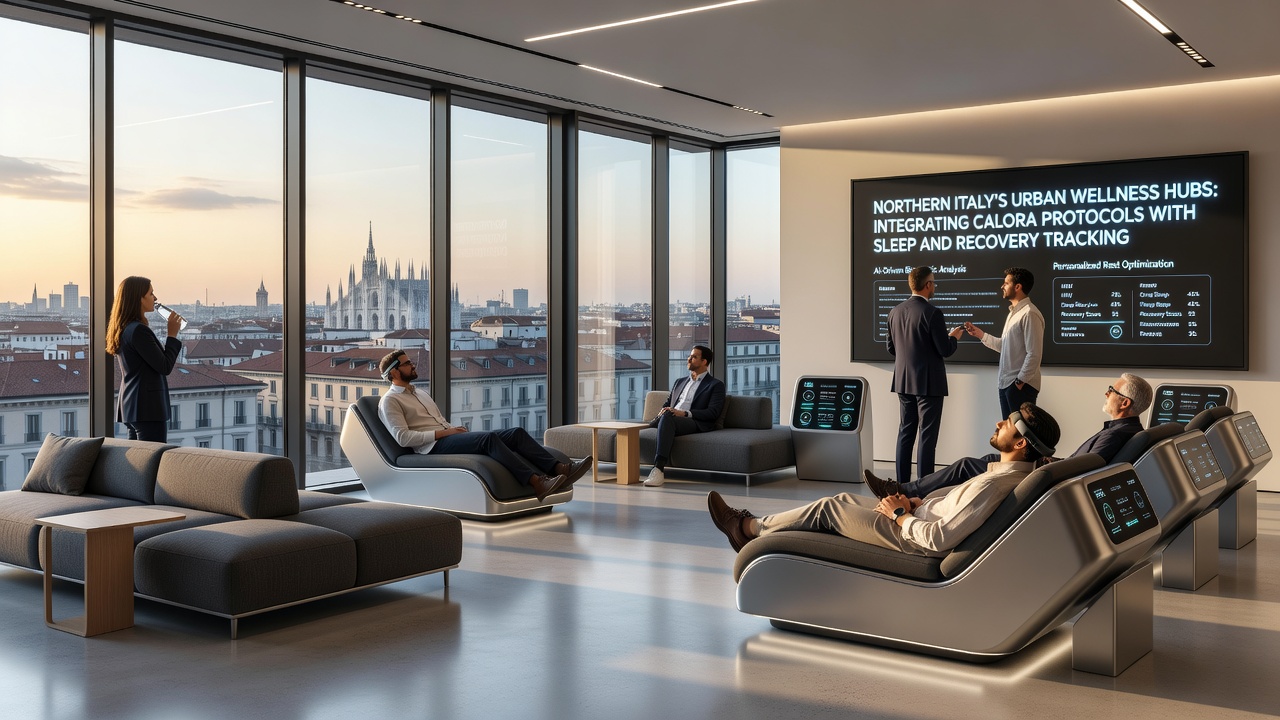
Equipment calibration occurs monthly, and any deviations trigger immediate reviews to maintain precision in formula delivery. Studies from the University of Toronto have examined similar sensor integration in occupational settings, showing that combined thermal and tracking approaches can stabilize rest cycles when applied consistently. The Italian hubs apply these principles at scale, with software that flags potential rebound effects from consecutive night shifts and suggests targeted thermal interventions accordingly.
Data Patterns and Monitoring Outcomes
Figures released in late 2026 indicate that over 2,400 shift workers have enrolled across the three cities, generating more than 18,000 tracked recovery sessions. Patterns show that metabolic markers improve when thermal sessions align with detected low-recovery windows identified through sleep stage analysis. European Agency for Safety and Health at Work reports highlight the prevalence of sleep disruption in rotating shift populations, and the northern Italian programs build directly on such occupational health findings by embedding real-time adjustments into daily operations.
Technicians review weekly trend reports that compare individual data against group averages, allowing for protocol tweaks without altering core Calora thermal parameters. This method supports workers whose schedules change frequently, since the tracking component captures cumulative effects across multiple rotation cycles rather than isolated nights. Facilities also maintain backup manual review processes to verify automated recommendations, ensuring that sensor anomalies do not skew recovery plans.
Expansion and Future Integration Points
Additional hubs are scheduled to open in Bologna and Verona by early 2027, extending the same combined protocol model to new regions. Training programs for technicians now include modules on interpreting sleep recovery data alongside thermal application guidelines, creating a workforce equipped to manage both elements simultaneously. Partnerships with regional health authorities provide access to anonymized population datasets that help refine screening criteria for enrollment, focusing resources on professions with the highest documented rates of rest cycle interruptions.
Conclusion
Northern Italy's wellness hubs demonstrate how Calora protocols and sleep tracking can function together in structured urban settings to support shift professionals, with operational data guiding ongoing refinements. The model continues to evolve through routine calibration checks, data aggregation, and alignment with broader occupational health observations from multiple regions.