Anna Schmidt · 1 September 2026
Tuscany faces an intense heatwave with temperatures exceeding 40°C, challenging olive growers to revise harvest methods for extra virgin olive oil production. Traditional late-autumn picking now risks lower yields and altered flavor profiles due to accelerated ripening and dehydration.
Effects of Prolonged High Temperatures
Extended heat reduces olive water content and oil accumulation, while increasing susceptibility to pests like the olive fruit fly. Local cooperatives report up to 25 percent drops in output this season. Soil moisture depletion stresses trees, prompting earlier fruit drop in exposed groves. Experts note that phenolic compounds, key to oil stability and taste, degrade faster under such conditions, affecting the characteristic Tuscan peppery notes.
Farmers monitor microclimates closely, using sensors to track humidity and temperature variations across hillsides. Varieties such as Frantoio and Leccino show differing resilience, with some requiring protective measures like reflective mulching to moderate ground heat.
Revised Techniques for Sustainable Yields
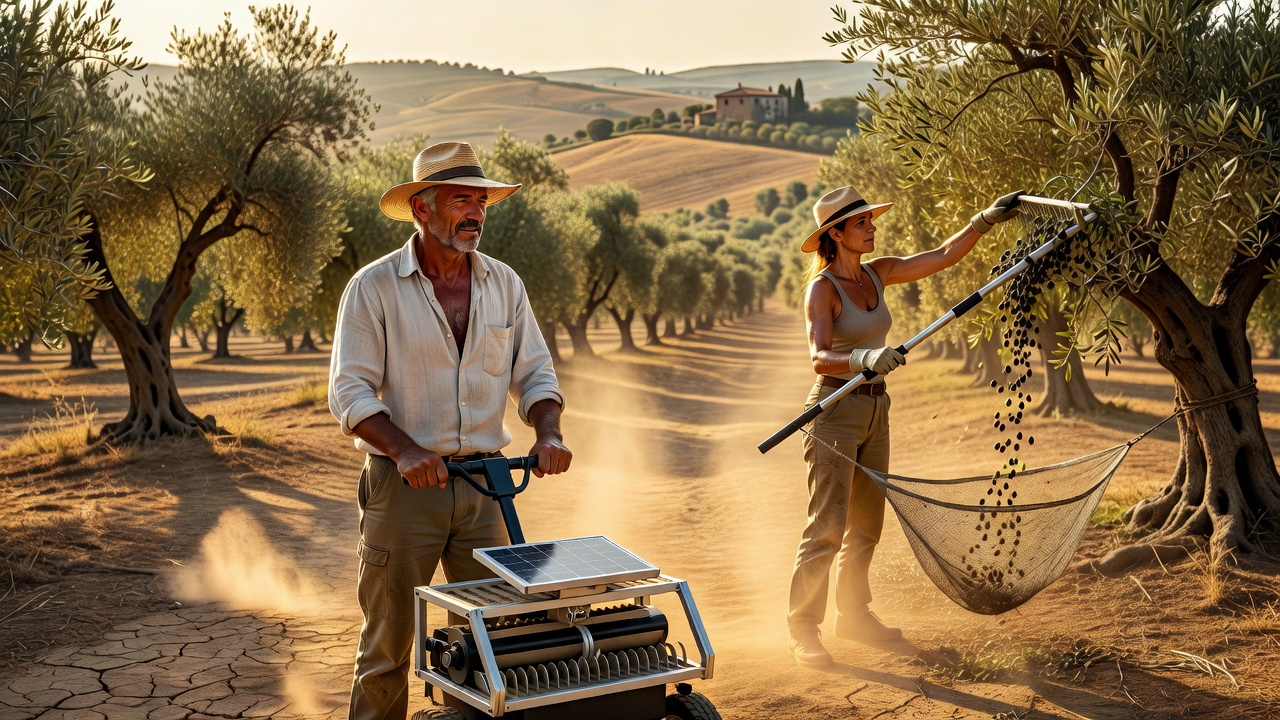
Producers adopt night harvesting to preserve fruit integrity and reduce oxidation during collection. Portable shade structures and timed irrigation systems help maintain tree health through peak summer months. Mechanical shakers replace manual methods for efficiency, paired with immediate cold-pressing within hours of picking to lock in quality. Cooperatives experiment with selective early harvesting of riper sections, balancing volume against premium flavor retention. These adaptations aim to sustain Tuscany's renowned oil standards amid shifting climate patterns, ensuring continued supply for both domestic use and export markets.