Morgan Long · 1 September 2026
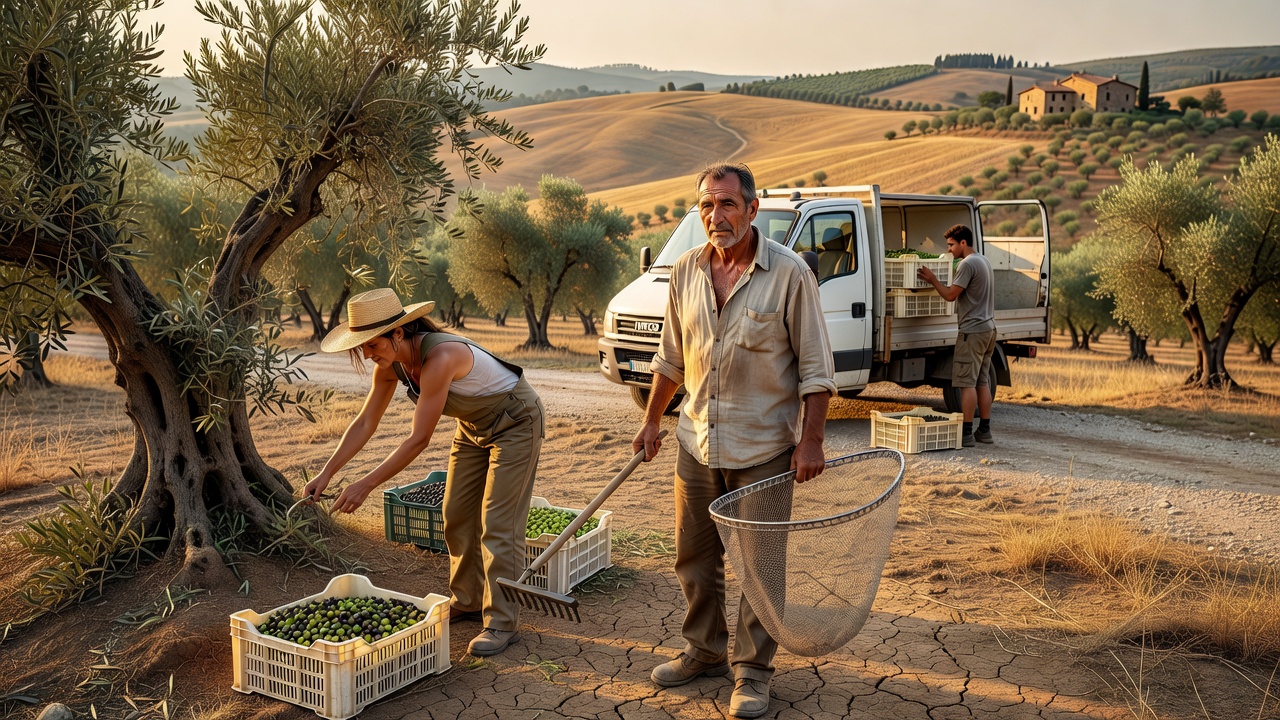
In Tuscany, prolonged heatwaves with temperatures exceeding 40 degrees Celsius are reshaping olive cultivation practices. Producers face accelerated olive ripening and heightened water stress, compelling shifts in harvest timing and grove management to safeguard both quantity and the distinctive flavor profiles of extra virgin olive oil.
Effects on Olive Quality and Yield
Extreme heat causes olives to mature weeks earlier than historical norms, disrupting the precise windows farmers use for peak oil content. Fruit size has diminished across many groves due to drought conditions, lowering overall yields. Soil moisture monitoring has intensified, with drip irrigation adopted where feasible to counter water deficits. Pest pressures have risen, prompting integrated management approaches that preserve organic certifications common in the region.
These changes threaten the economic stability of small estates reliant on consistent annual output. Climate data from recent seasons indicate a trend toward more frequent extreme events, forcing reevaluation of longstanding varietal selections and planting densities.
Innovative Strategies for Future Harvests
Producers now conduct mechanical harvesting at night to minimize heat damage to fruit. Trials with shade netting on younger trees and selection of drought-tolerant cultivars are underway. Regional research centers collaborate on climate-based predictive tools that refine harvest forecasts using temperature and humidity metrics.
Such adaptations aim to sustain Tuscany's reputation for premium olive oil while building resilience against ongoing climate shifts. Experts anticipate these methods will standardize across the sector within the next decade, blending tradition with data-driven adjustments.