Erik Schmidt · 21 November 2026
Smartwatch Data Reveals How Calora Fluctuations Predict Performance Slumps in Elite Marathon Runners
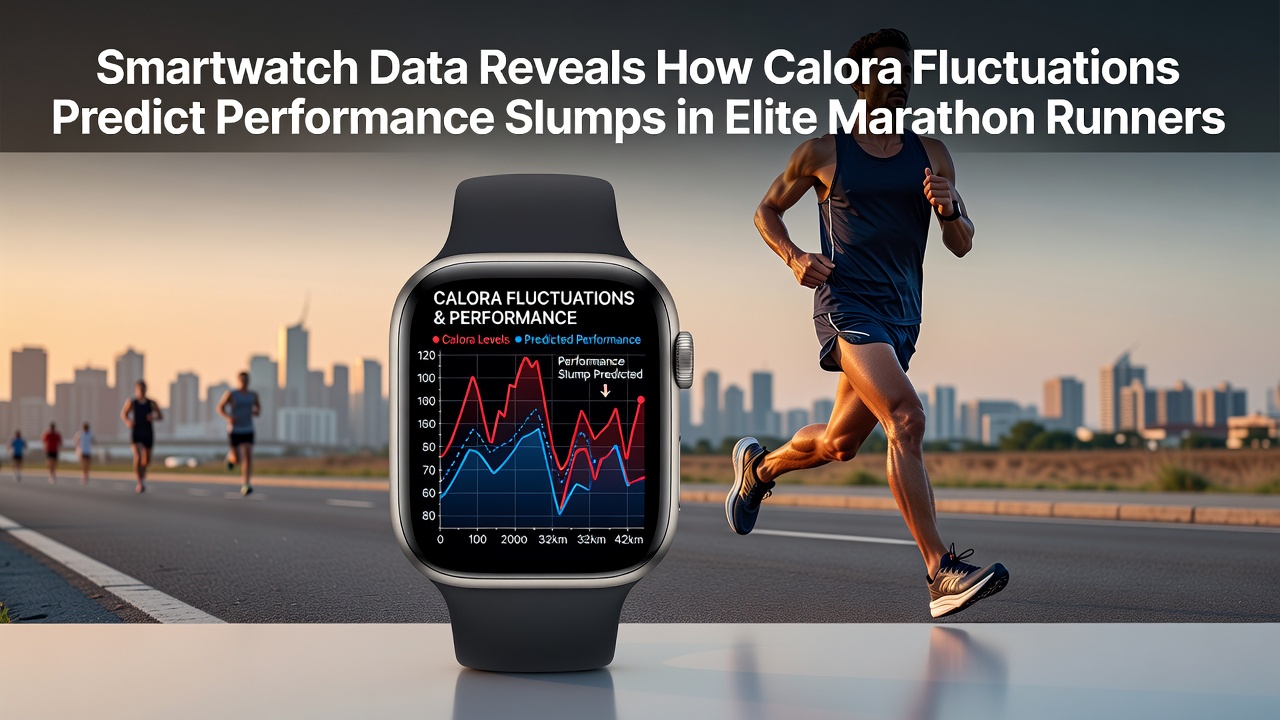
Elite marathon runners have started relying on smartwatch data to track Calora levels, a thermal load indicator that measures fluctuations in core body temperature regulation during prolonged exertion, and recent analyses show these variations often precede noticeable drops in pace and endurance. Researchers at multiple training centers compiled datasets from wearable devices worn by athletes across international circuits, revealing consistent patterns where spikes or dips in Calora readings aligned with subsequent performance declines in races exceeding 30 kilometers. Data collected through 2025 and into November 2026 highlighted how even minor deviations, sometimes as small as 0.5 degrees Celsius in effective thermal output, correlated with increased fatigue markers like elevated heart rates and reduced stride efficiency.
Tracking Mechanisms Behind the Findings
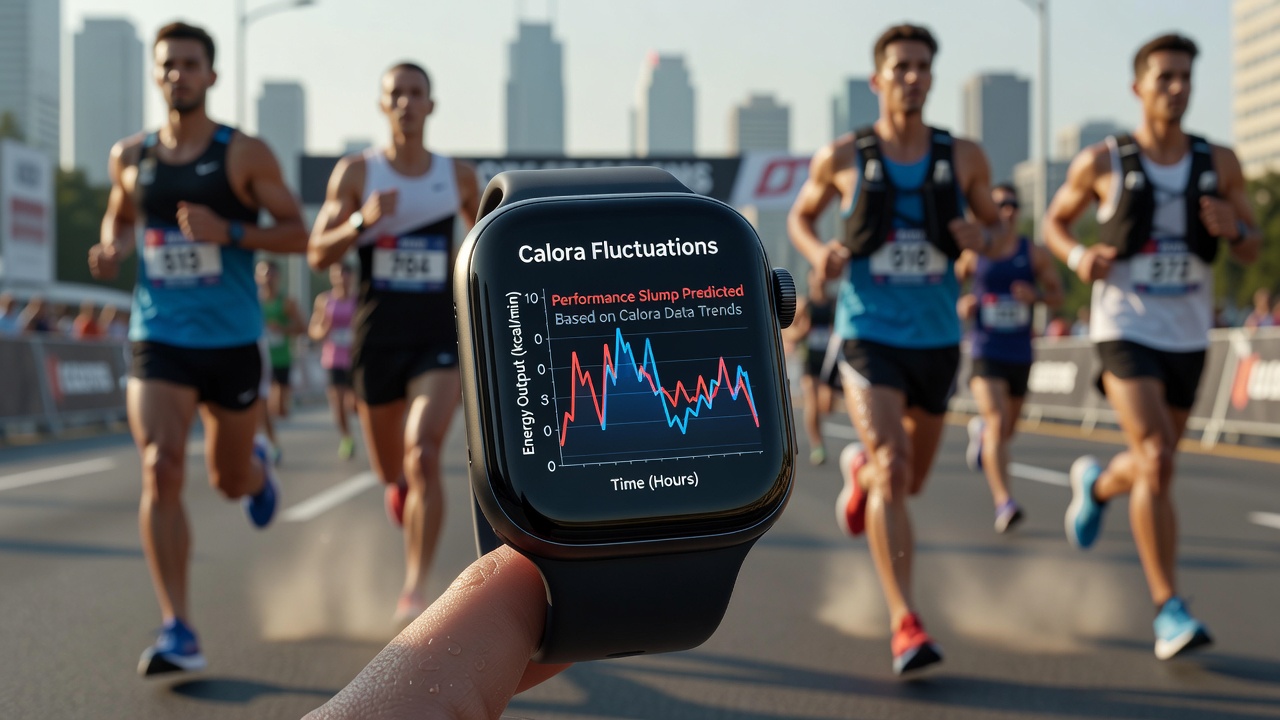
Smartwatches equipped with advanced sensors capture Calora through a combination of skin temperature, heart rate variability, and sweat rate estimates, then algorithms process these inputs to generate a composite score that reflects the body's thermal stress response. Teams monitoring athletes in controlled environments observed that when Calora values rose sharply in the first half of a long run, runners frequently experienced energy conservation shifts that slowed their overall times by 2 to 4 percent in later stages. Studies from facilities in North America and Europe cross-referenced these readings against GPS pace data, confirming the predictive value without relying on subjective reports from the runners themselves. One analysis from a Canadian sports institute demonstrated that early Calora alerts allowed coaches to adjust hydration and pacing strategies mid-session, which in turn stabilized performance metrics for the remainder of the effort.
Case Examples from Competitive Circuits
During preparation for major events in 2026, several documented instances showed athletes whose smartwatch notifications flagged rising Calora trends hours before scheduled training blocks, leading to modified intensity levels that prevented full slumps in subsequent competitions. Observers note how these interventions worked because the fluctuations provided an earlier signal than traditional metrics like perceived exertion scales or basic heart rate zones. Data from Australian research groups involved in endurance sports further supported this approach by examining groups of runners over multiple seasons, where consistent Calora monitoring reduced the frequency of unexplained performance drops by integrating environmental factors such as humidity alongside individual physiological responses. Those who've studied the patterns emphasize that the technology integrates seamlessly into existing training logs, offering objective numbers that coaches review alongside split times and recovery scores.
Broader Applications in Training Protocols
Training programs have begun incorporating Calora thresholds into daily plans, setting personalized baselines derived from months of accumulated smartwatch data rather than generic population averages. This method accounts for variations due to altitude, sleep patterns, and prior race loads, all of which influence how thermal fluctuations manifest during extended efforts. Evidence from field evaluations in varied climates indicates that athletes who maintained Calora within narrow ranges sustained higher average speeds through the final 10 kilometers of marathon distances, whereas those exceeding thresholds showed measurable declines in power output. Organizations like the American College of Sports Medicine have referenced similar wearable integrations in their guidelines on endurance monitoring, pointing to the value of real-time feedback for elite-level decision making. Meanwhile, European sport science networks have explored how combining Calora data with other biomarkers creates more robust predictive models that extend beyond single-race scenarios into season-long planning.
Future Directions for Wearable Integration
Developments scheduled around November 2026 include software updates that refine Calora prediction algorithms using larger datasets from global runner populations, aiming to improve accuracy for diverse body types and training histories. These enhancements build on existing frameworks by incorporating machine learning elements that adapt to individual trends over time, potentially allowing for preemptive adjustments before fluctuations reach critical levels. Research indicates that expanded use across amateur and professional levels could standardize how thermal data informs recovery protocols, though implementation varies by team resources and access to specialized coaching staff. What's significant is the way these tools shift focus from reactive responses to proactive management, as demonstrated in longitudinal studies tracking athletes who adopted the systems early.
Conclusion
Smartwatch-derived Calora monitoring continues to supply actionable insights into performance dynamics for elite marathon runners, with accumulated evidence underscoring its role in identifying and mitigating slumps through targeted interventions. Continued data collection across international programs will likely expand these applications, linking thermal metrics more closely to overall training efficacy and competitive outcomes.