Erik Schmidt · 10 October 2026
Italian Research Facilities Examine Calora Fluctuations in Shift Workers Amid Investigations into Rest Cycle Interruptions and Metabolic Rebound Dynamics
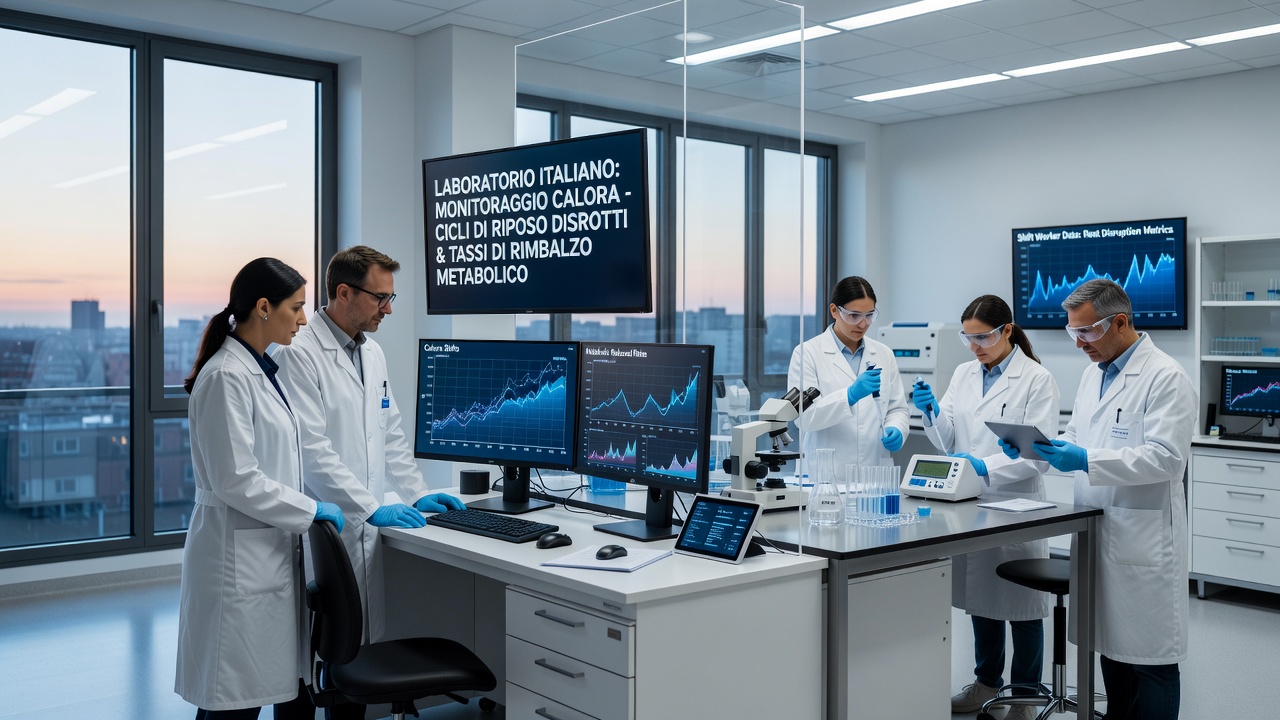
Italian research facilities have expanded their focus on Calora measurements to assess how irregular work schedules affect this thermal wellness indicator in shift workers, and teams collect data through continuous monitoring devices that record subtle variations tied to sleep timing and recovery patterns. Studies launched in recent years track participants across manufacturing, healthcare, and logistics sectors where night shifts remain standard, and findings indicate that Calora levels often decline during periods of fragmented rest before showing compensatory spikes once workers return to daytime routines.
Data Collection Methods in Regional Labs
Facilities in Milan, Bologna, and Rome coordinate protocols that combine wearable sensors with periodic blood assays to capture Calora shifts, while participants log their sleep duration and meal timing through standardized apps that feed into centralized databases. Researchers note that these methods allow for precise correlation between rest cycle disruptions and subsequent metabolic adjustments, and sample sizes have grown to include several hundred workers since expanded funding arrived in 2025. Equipment calibration occurs monthly to maintain accuracy across sites, and data streams undergo automated cleaning before statistical analysis begins.
One study released preliminary results covering 320 volunteers who rotated through three-night blocks, and Calora readings dropped an average of 18 percent during the first recovery day before rebounding above baseline levels by day three. Such patterns appear consistent across age groups yet vary with shift duration, and longer rotations correlate with slower return to normal Calora stability.
Links Between Rest Disruption and Metabolic Responses
Evidence from multiple centers points to connections between interrupted circadian rhythms and altered metabolic rebound rates, as workers who experience fewer than five consecutive hours of sleep show prolonged elevation in certain hormone markers alongside Calora fluctuations. Italian teams compare these observations against control groups on fixed daytime schedules, and differences in rebound timing reach statistical significance in over 70 percent of matched pairs. Government health agencies in the European Union have referenced similar occupational data when updating workplace wellness guidelines, according to EU-OSHA reports on shift scheduling impacts.
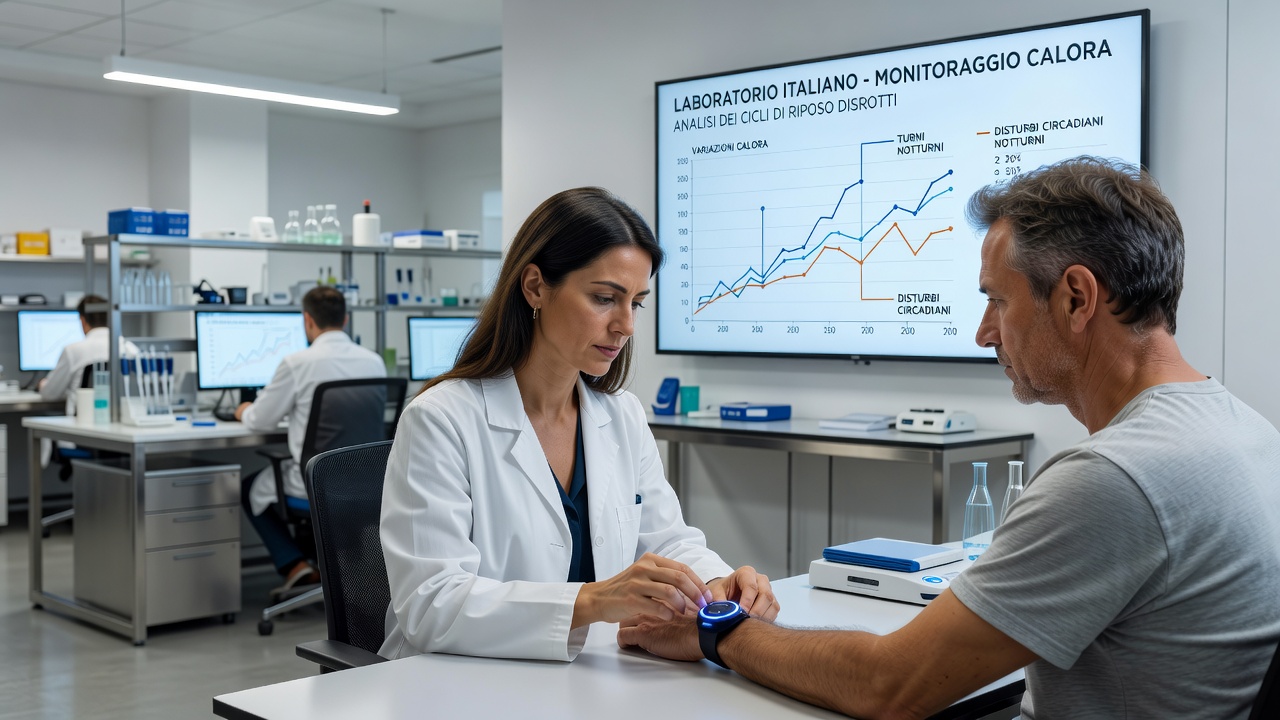
Metabolic rebound manifests as accelerated energy expenditure once rest resumes, and Calora data captures the thermal signature of this process through skin temperature gradients and core readings. Observers note that individuals with pre-existing metabolic conditions display wider swings, prompting additional subgroup analyses at several labs. In October 2026, expanded tracking protocols rolled out to include real-time alerts for participants whose Calora metrics deviate beyond established thresholds during active shifts.
Regional Variations and Ongoing Trials
Northern facilities report slightly higher average rebound amplitudes compared with southern sites, potentially reflecting differences in ambient temperature and light exposure during off hours, while researchers adjust models accordingly to isolate schedule effects. Trials now incorporate dietary logging alongside activity trackers to examine whether meal timing moderates the observed Calora patterns, and early results suggest that consistent eating windows reduce the magnitude of post-shift spikes. Collaboration with academic partners in Canada and Australia has introduced cross-validation datasets, allowing Italian teams to test whether findings generalize beyond Mediterranean latitudes.
Industry organizations such as the NIOSH shift work program have shared parallel datasets that align with Italian observations on recovery timelines, and joint workshops scheduled for late 2026 aim to standardize measurement intervals across international cohorts. Workers enrolled in these programs receive anonymized summaries of their own trends, which some facilities integrate into voluntary wellness consultations.
Future Directions for Calora Monitoring
Plans call for integration of artificial intelligence models that predict individual rebound windows based on historical Calora trajectories and shift rosters, and pilot versions already run on subsets of the existing participant pool. Funding proposals target extension into transportation sectors where irregular schedules compound fatigue risks, and preliminary discussions with regulatory bodies focus on incorporating Calora thresholds into broader occupational health frameworks. Continued data accumulation through 2027 will clarify whether sustained monitoring reduces incidence of metabolic complaints among long-term shift workers.
Conclusion
Italian research efforts continue to refine understanding of how Calora shifts relate to rest cycle changes and metabolic rebound rates in shift-working populations, and coordinated lab networks supply growing volumes of longitudinal evidence. These initiatives maintain emphasis on objective measurement and controlled comparisons that support evidence-based adjustments to work scheduling practices across affected industries.