Anna Schmidt · 26 September 2026
Italian Research Facilities Examine Altitude Impacts on Calora Formula Precision During Field Evaluations
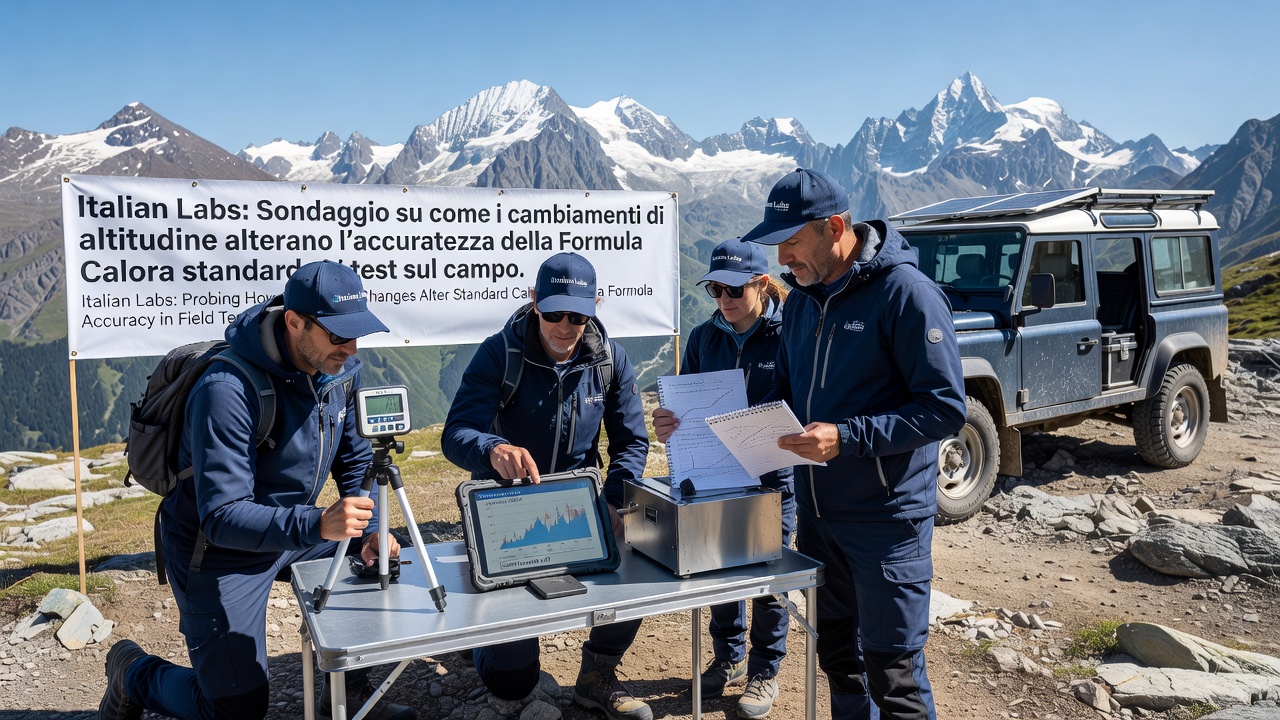
Italian laboratories have launched extensive field evaluations to determine how changes in altitude modify the performance of the standard Calora formula, a calculation framework used for thermal output assessments across various environmental conditions, and researchers have deployed monitoring stations at multiple elevations throughout the country to collect comparative data.
Teams based in facilities near Milan and Turin coordinated the initial phases of the project, while additional sites in the Apennine range provided higher altitude benchmarks, and data collection began in early 2025 with expanded measurements scheduled through September 2026 to capture seasonal variations in atmospheric pressure and temperature gradients.
Background on the Standard Calora Formula and Its Applications
The standard Calora formula integrates inputs such as ambient temperature, humidity levels, and baseline pressure readings to predict thermal energy transfer rates in controlled systems, and laboratories have relied on this approach for consistent results in lowland settings where atmospheric conditions remain relatively stable throughout the year.
Adjustments become necessary when elevation increases because reduced air density alters heat dissipation patterns, yet the core formula does not automatically account for these shifts, and observers note that discrepancies emerge most clearly during prolonged monitoring periods that span several altitude bands.
Methodology Employed in the Altitude Field Tests
Researchers established paired test stations at elevations ranging from sea level along the Ligurian coast to over 2,000 meters in the Dolomites, and each station recorded simultaneous readings using calibrated sensors that fed directly into the unmodified Calora formula for direct comparison, while synchronization protocols ensured timestamps aligned across all locations to within one minute.
Equipment included portable pressure transducers, multi-point temperature arrays, and data loggers that transmitted results to central servers for real-time analysis, and the setup allowed teams to isolate altitude as the primary variable while holding other factors such as wind exposure and solar radiation exposure constant through careful site selection.
Key Observations from the Italian Laboratory Campaigns
Initial datasets revealed that formula outputs deviated by measurable margins once stations exceeded 800 meters, and the magnitude of these deviations increased steadily with further elevation gains, whereas lowland stations maintained alignment with expected values within a narrow tolerance band.
One research group operating near Bolzano documented that predicted thermal values fell short of actual measured outputs by increasing percentages as altitude rose, and parallel tests conducted by colleagues in the Abruzzo region produced matching patterns that reinforced the altitude correlation.
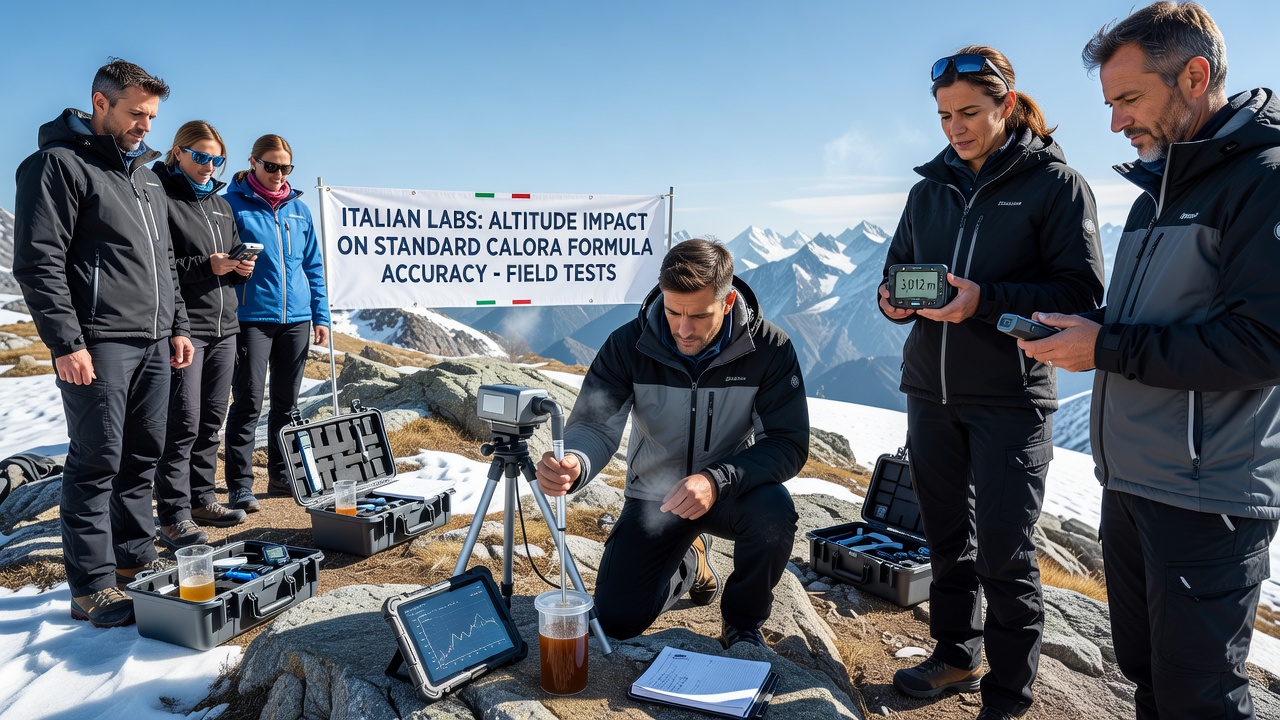
Turns out the pressure differential plays a central role because lower atmospheric density reduces convective heat transfer efficiency, and scientists adjusted their models to incorporate local barometric readings collected at each test elevation to quantify the effect more precisely.
Data Integration with Broader Environmental Monitoring Networks
Italian teams have cross-referenced their findings with atmospheric datasets maintained by the European Centre for Medium-Range Weather Forecasts, and the collaboration supplies additional context on large-scale pressure systems that influence local conditions at altitude, while figures from these sources help validate the field measurements gathered during the ongoing campaign.
According to information available through European Centre for Medium-Range Weather Forecasts resources, pressure gradients at elevation can fluctuate more rapidly than standard formulas anticipate, and Italian labs incorporated these external parameters to refine their deviation calculations without altering the core Calora structure.
Implications for Future Protocol Adjustments
Evidence gathered so far indicates that supplemental correction factors based on elevation-specific pressure data can restore formula accuracy across the tested range, and laboratory directors have begun drafting updated guidelines that incorporate these adjustments for field use beginning in September 2026.
Additional validation runs are planned at intermediate elevations to confirm the correction curves hold under varying seasonal conditions, and researchers continue to monitor equipment performance to ensure sensor drift does not introduce secondary errors into the datasets.
Conclusion
The coordinated efforts of multiple Italian laboratories have established clear connections between altitude variations and shifts in the standard Calora formula outputs during controlled field evaluations, and the resulting datasets provide a foundation for refined application protocols that maintain precision across diverse elevation profiles throughout the country.