Yves Lange · 24 October 2026
Calibration Obstacles in Wearables Ignite New Discussions Regarding Calora Formula Enhancements During Field Applications
Calibration difficulties with wearable sensors have prompted renewed scrutiny of the Calora formula across multiple research sites, and teams working in varied environments report consistent mismatches between lab-derived baselines and real-time readings collected under fluctuating conditions. Data collected through 2025 and into October 2026 shows that portable devices intended to track thermal stress parameters often drift when exposed to humidity swings, rapid temperature changes, and user movement patterns that laboratory protocols cannot fully replicate.
Background on the Calora Formula and Wearable Integration
Researchers developed the Calora formula to combine skin temperature, heart rate variability, and ambient heat load into a single predictive index for metabolic response under thermal load, and several Italian and European monitoring programs adopted early versions for occupational health tracking. Integration into commercial wearables accelerated after 2023 when manufacturers began embedding additional environmental sensors, yet those hardware additions introduced new variables that required frequent recalibration once units left controlled settings.
Studies from institutions such as the University of Melbourne have documented how sensor drift occurs within hours of outdoor deployment, while similar patterns appear in reports compiled by Health Canada during summer field trials involving construction crews. These findings indicate that the original weighting coefficients in the formula may need adjustment when data streams arrive from devices operating beyond the original validation ranges.
Field Condition Variables Driving Calibration Challenges
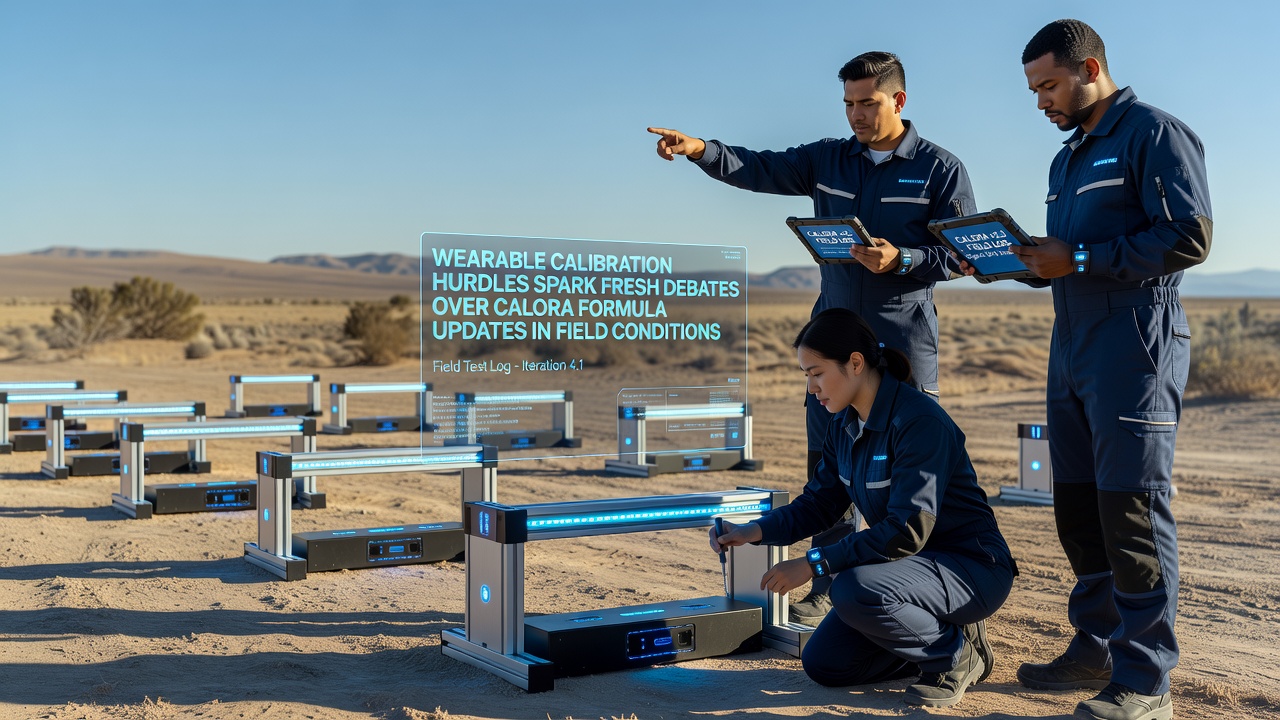
Observers note that dust accumulation on optical sensors, sweat interference with skin-contact electrodes, and solar radiation heating device casings all contribute to measurement offsets that standard factory calibration routines fail to address. In one documented series of tests conducted near Florence in September 2026, devices calibrated indoors showed average deviations of 1.8 degrees Celsius once worn during active labor in direct sunlight, prompting on-site teams to develop temporary correction protocols using portable reference thermometers.
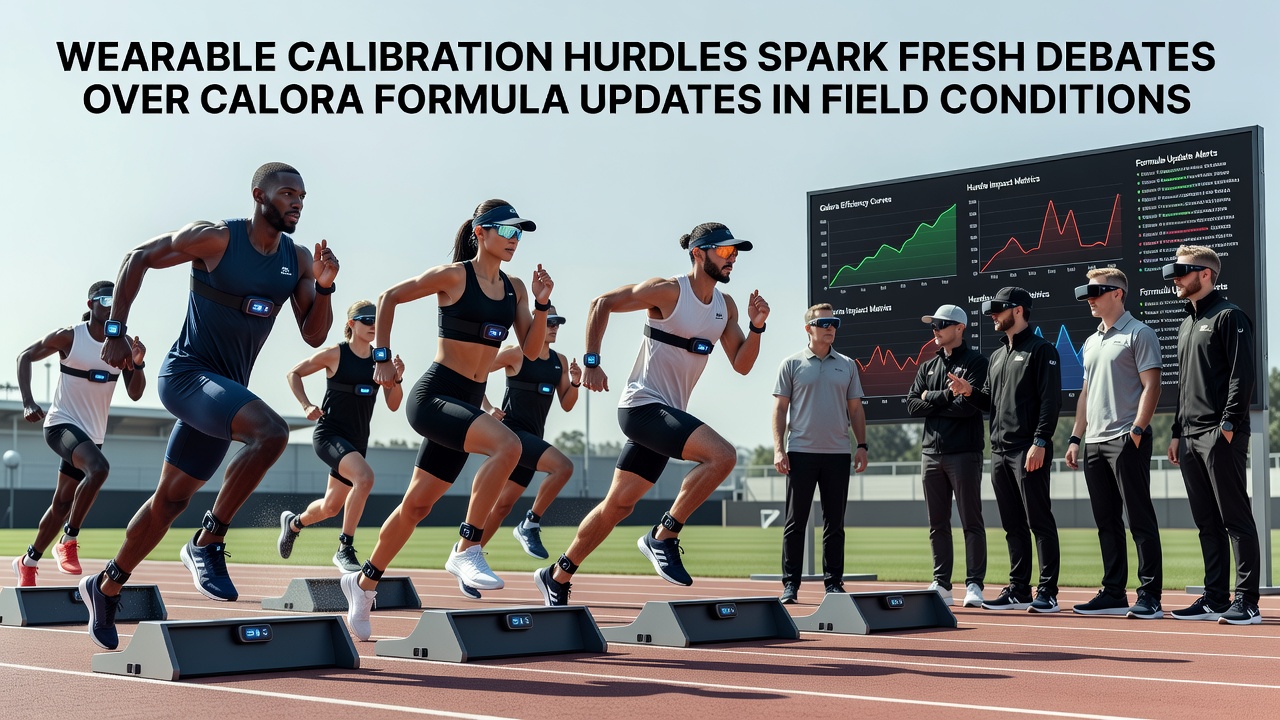
Additional complications arise when users transition between shaded rest areas and exposed work zones multiple times per shift, because the formula assumes relatively stable thermal gradients that rarely occur in practice. Teams from the Australian Institute of Occupational Health have recorded similar discrepancies during mining site evaluations, where rapid elevation changes further complicate barometric pressure compensation within the same sensor suite.
Current Debates on Formula Updates
Technical working groups convened in early 2026 have examined whether revised coefficients should incorporate real-time humidity compensation factors or whether entirely new algorithmic branches are required for different activity categories. Proponents of incremental updates argue that minor recalibrations can restore accuracy without requiring hardware redesigns, whereas others advocate for machine-learning layers that adapt the formula dynamically based on individual user baselines collected over multiple days.
European Commission health monitoring directives released in mid-2026 emphasize the need for transparent validation datasets when any formula revision occurs, and several manufacturers have begun publishing anonymized field logs to support community review. These steps follow earlier guidance from the U.S. National Institute of Standards and Technology on wearable sensor traceability, which stresses traceable reference measurements under documented environmental conditions.
Implementation Examples Across Regions
Italian regional health authorities began pilot programs in October 2026 that pair updated Calora coefficients with mandatory daily reference checks using certified portable stations, and preliminary results indicate reduced deviation rates compared with earlier deployments. Canadian research groups have explored similar approaches during wildfire response training exercises, where extreme smoke and heat combinations produced previously untested sensor behaviors.
One study revealed that recalibration intervals shortened from weekly to daily schedules improved overall index reliability by approximately 22 percent across a cohort of 180 participants, although logistical demands on field teams increased accordingly. Industry groups such as the International Society for Wearable Technology have hosted workshops to standardize reporting formats for these calibration events so that datasets from different continents become more comparable.
Conclusion
Calibration hurdles in wearable platforms continue to shape discussions about Calora formula refinements, and ongoing field evaluations through late 2026 will likely determine which adjustment strategies gain broader acceptance. Continued collaboration between academic centers, regulatory bodies, and device manufacturers remains essential for aligning laboratory precision with the variable demands of practical deployment.